Roofing Phone Script: What to Say When a Homeowner Calls
The first call decides most roofing jobs. Use this script to qualify every caller, handle emergencies, answer price questions, and book a specific inspection time instead of a callback.
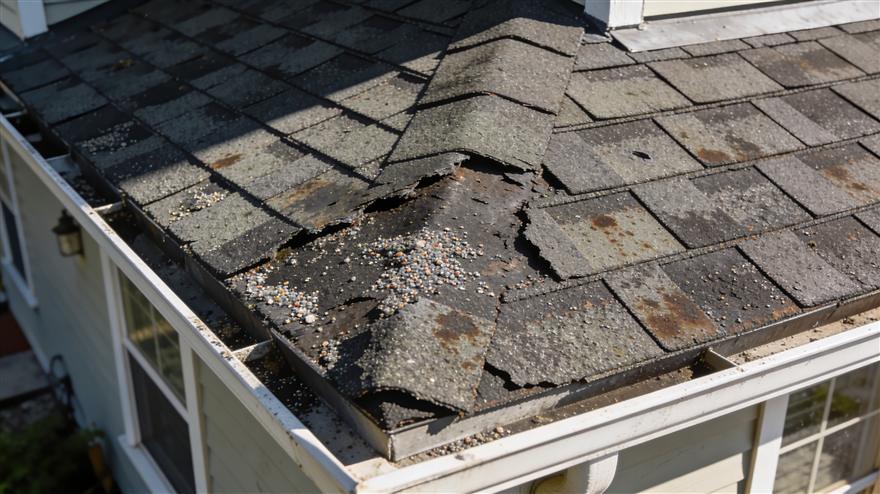
The first phone call is where most roofing jobs are won or lost. A homeowner with a stain on the ceiling is calling two or three roofers. The one who sounds organized, asks smart questions, and books a time on the spot usually gets the inspection. The one who says "let me have someone call you back" often does not.
This roofing phone script gives your office, your answering service, or your AI receptionist a consistent way to handle inbound calls. Use the wording as a starting point and adjust it to sound like your company.
The Four Goals of Every Inbound Call
- Make the homeowner feel heard in the first ten seconds.
- Collect what you need to decide if it is a job and who should take it.
- Book a specific time, not a callback.
- Log it so the follow-up starts automatically.
The Roofing Phone Script
1. Greeting
"Thanks for calling [Company], this is [Name]. How can I help with your roof today?"
Let them talk. The first answer usually tells you whether this is a leak, storm damage, a replacement, or a question.
2. Urgency check
"Is any water coming into the house right now?"
If yes, move to the emergency path below before anything else.
3. Address
"What's the address of the property? I'll pull it up while we talk."
The address drives territory routing, measurements, and storm history. Confirm the spelling and zip code.
4. What happened
"Can you tell me what you're seeing? Missing shingles, a leak, damage after the storm, or are you thinking about a replacement?"
5. Roof details
"Do you know roughly how old the roof is, and what it's made of?"
Most homeowners will guess. That is fine. It helps the estimator prepare.
6. Insurance
"Have you contacted your insurance company about this yet? If so, which carrier, and do you have a claim number?"
Do not give claim advice on the phone. Just record the status so the estimator arrives prepared. Our guide to why roof claims get denied explains why documentation from the first visit matters.
7. Decision makers
"Will anyone else need to be there for the inspection, like a spouse or co-owner?"
Booking when every decision maker is present saves a second visit.
8. Book the inspection
"I have [day] at [time] or [day] at [time] with [Rep] in your area. Which works better?"
Offer two specific options. An open question like "when works for you?" leads to back-and-forth and lost bookings.
9. Confirm and close
"You're set for [day] at [time]. You'll get a text confirmation with [Rep]'s name and photo. Is this the best number to reach you?"
10. Lead source
"Last question: how did you hear about us?"
This one answer is how you find out which marketing actually works.
The Emergency Path
If water is coming in, the call changes.
- Reassure: "Okay, we'll help you with this right now."
- Get the address and a callback number first, in case the call drops.
- Give simple safety steps: move belongings, put a bucket under the drip, stay away from wet ceilings and electrical fixtures.
- Transfer to the on-call person or dispatch for an emergency tarp.
- Log the call as urgent so it is visible to the whole team.
Handling Common Questions
| Caller asks | Good answer |
|---|---|
| "How much does a new roof cost?" | "It depends on size, pitch, and materials. The inspection is how we give you an exact number, and it's free. Can I get you on the schedule?" |
| "Do you work with insurance?" | "Yes. We document everything at the inspection so you have what you need for your claim." |
| "Can you just give me a ballpark?" | "I'd rather not guess and be wrong. The inspector can usually give you a range on site." |
| "I'm getting other quotes." | "That's smart. We'll give you a written estimate with photos so it's easy to compare." |
| "Are you licensed and insured?" | "Yes, and the rep will bring proof of both to the inspection." |
Mistakes That Lose the Job
- Promising a callback instead of booking a time.
- Quoting a price before anyone has seen the roof.
- Giving insurance advice on the phone.
- Writing details on paper that never reach the CRM.
- Letting it go to voicemail during the busiest hours.
Making the Script Consistent on Every Call
A script only works if every call follows it, including the ones that come in at 8 pm on a Sunday or the fiftieth call after a hailstorm. That is where an AI receptionist helps. LynkedUp Pro's Voice Genie asks the same roofing questions every time, books inspections on your real calendar, transfers emergencies to a person, and writes the call into your roofing CRM with a transcript. Your office team can then use the script for the calls they take themselves.
Frequently Asked Questions
What should a roofer ask on the first call?
Ask about urgency, the property address, what the homeowner is seeing, roof age and material, insurance status, who needs to attend, and how they heard about you. Then book a specific inspection time.
Should roofers give prices over the phone?
Generally no. Price depends on size, pitch, materials, and damage, so it is better to book a free inspection and give an accurate written estimate.
How should a roofing company handle emergency leak calls?
Get the address and callback number first, give basic safety steps, transfer to the on-call person for an emergency tarp, and log the call as urgent.
Can an AI receptionist follow a roofing phone script?
Yes. An AI receptionist can be configured with your roofing questions, booking rules, and escalation rules, and it follows them the same way on every call.
Why ask how the caller heard about you?
It tells you which marketing channels produce real inspections and jobs, so you can spend more on what works.